FLL robot logo
RoboKids · FIRST LEGO League innovation project

Welcome to BioGlow.

Growing biodiversity. Removing invasives. Protecting our natural heritage. Small actions, greener gardens, and a brighter future for biodiversity.

Our gardens are often close to streams, rivers and green spaces. What we grow in our gardens can spread to these nearby areas. BioGlow helps our community recognise invasive alien plants and manage them responsibly in home gardens to help protect green spaces in Johannesburg. We encourage residents to replant suitable indigenous species so local wildlife and ecosystems can thrive.

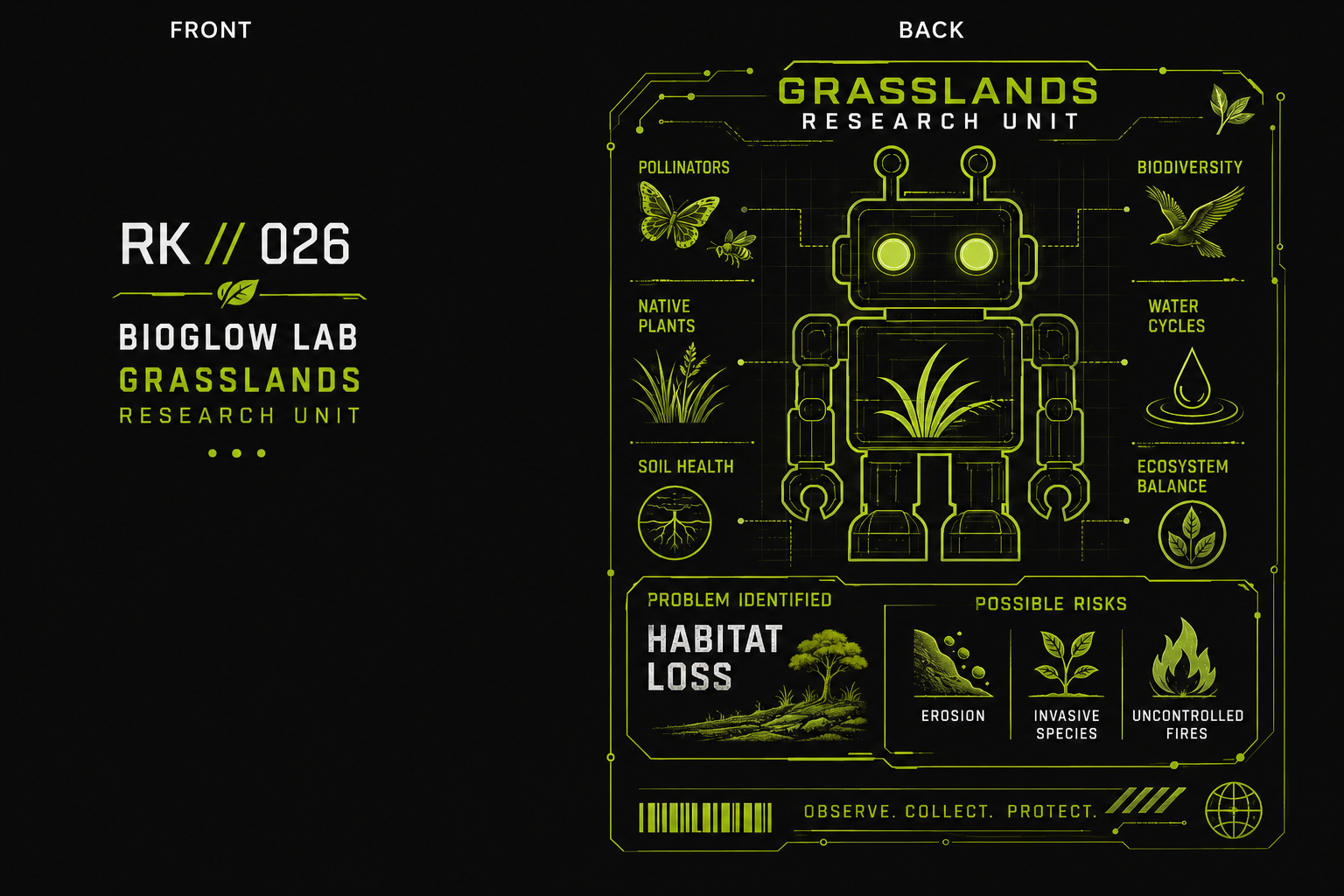
BioGlow Grasslands Research Unit poster about biodiversity and threats to grassland habitats
Growing biodiversity · Removing invasives

Small actions. Greener gardens. A brighter future.

BioGlow is RoboKids’ FIRST LEGO League innovation project. We believe protecting nature starts with understanding it—and that every member of our community can help. Our mission is to protect the biodiversity of green spaces in Johannesburg by helping people recognise invasive alien plants, understand their effects, and manage them responsibly in their own gardens.

What is biodiversity?

What is biodiversity?

Biodiversity is the variety of life on Earth: plants, animals, insects, fungi, microorganisms, and the ecosystems where they live and interact.

Every species has a role. Plants provide food and shelter, insects pollinate flowers, birds disperse seeds, and healthy soil supports countless organisms. These relationships help ecosystems stay balanced, function well, and recover from disturbance.

Invasive alien species can disrupt these relationships and threaten indigenous plants and animals. Protecting biodiversity means protecting the connections that keep nature alive.

Understanding what biodiversity means

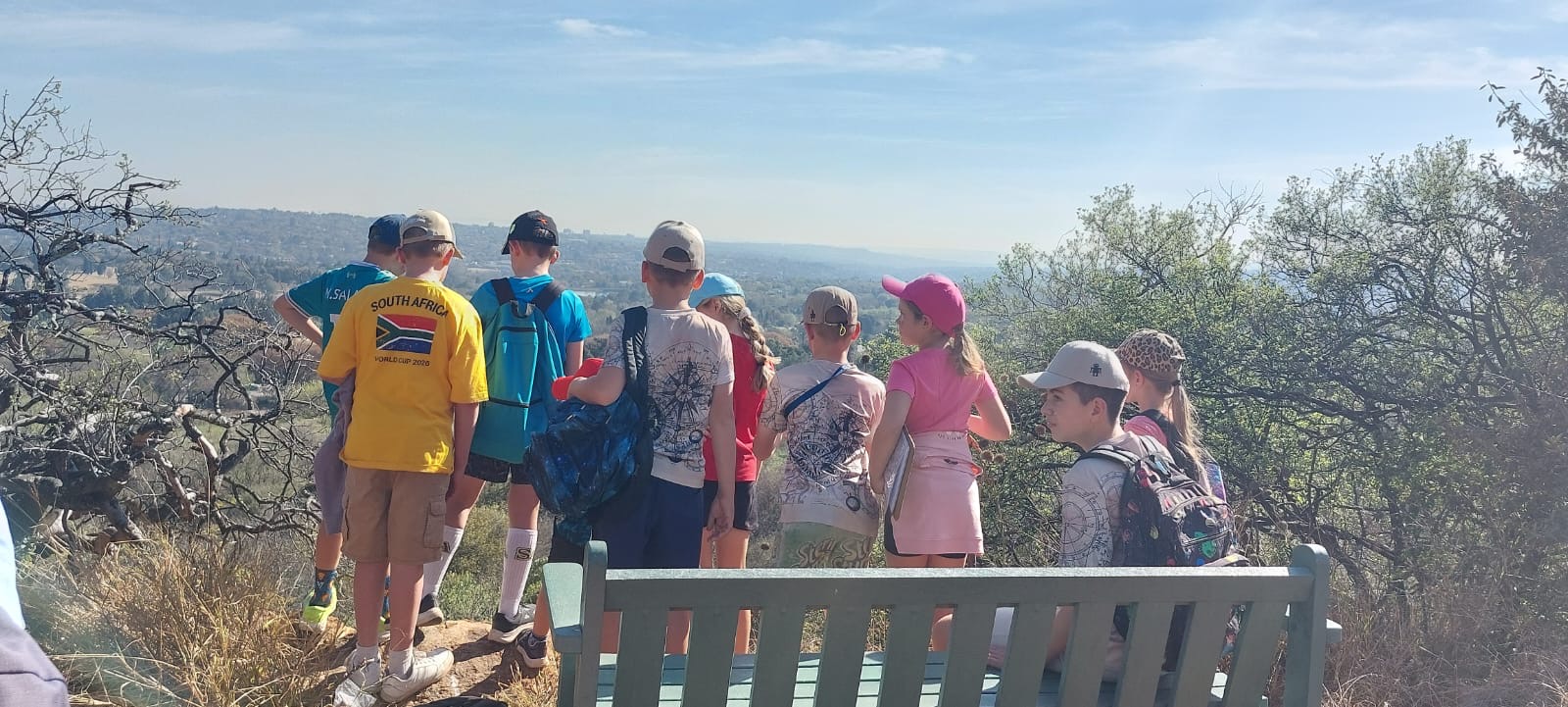
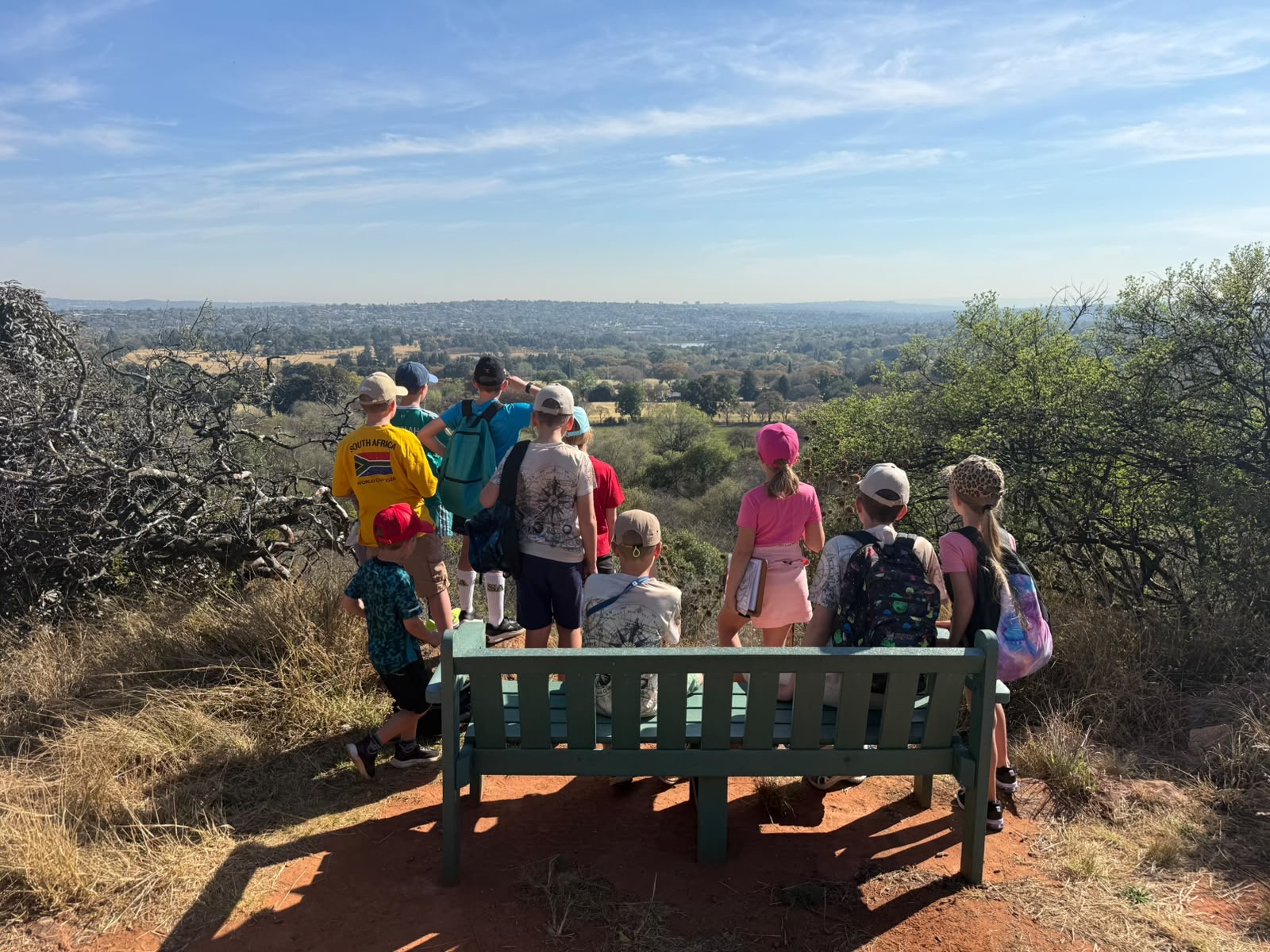
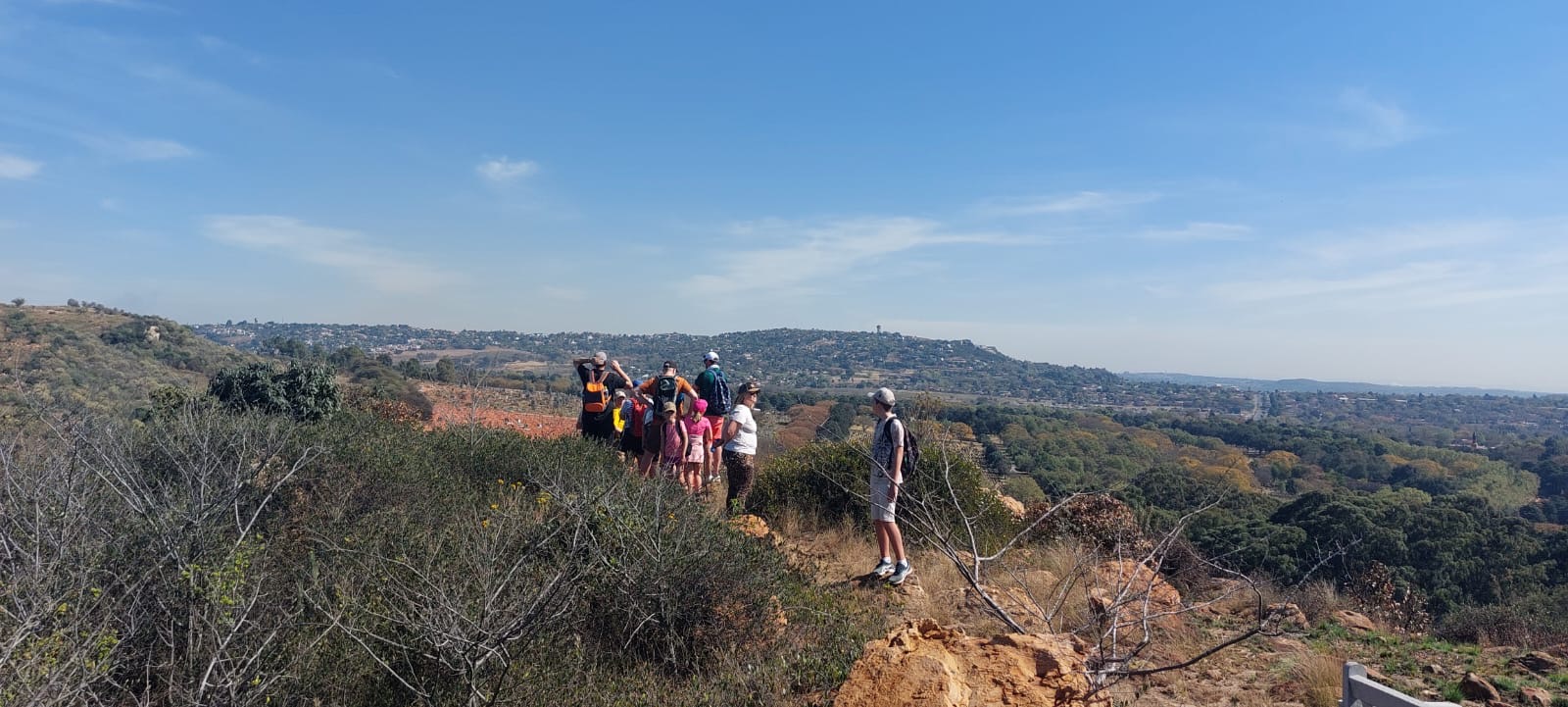
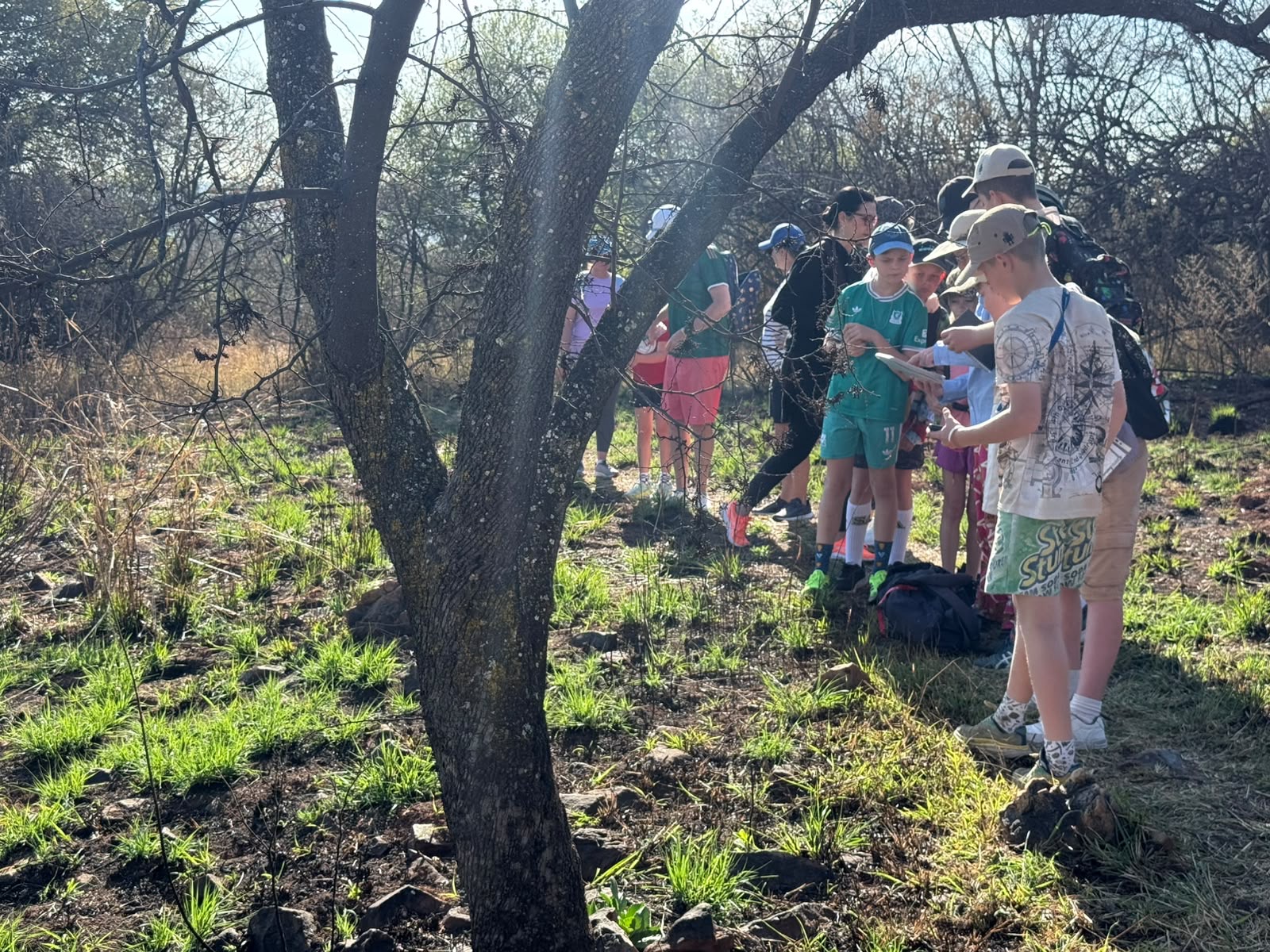
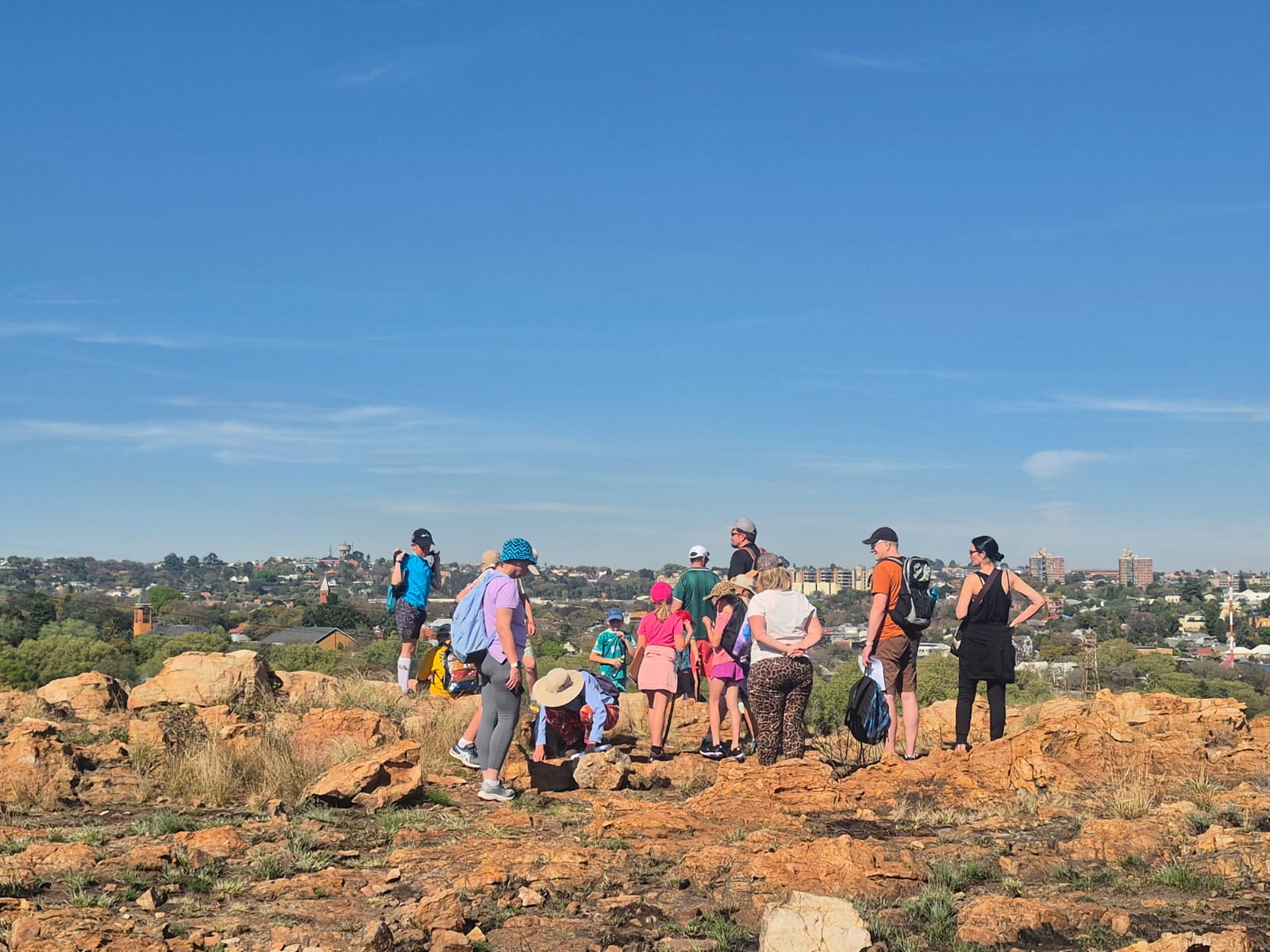
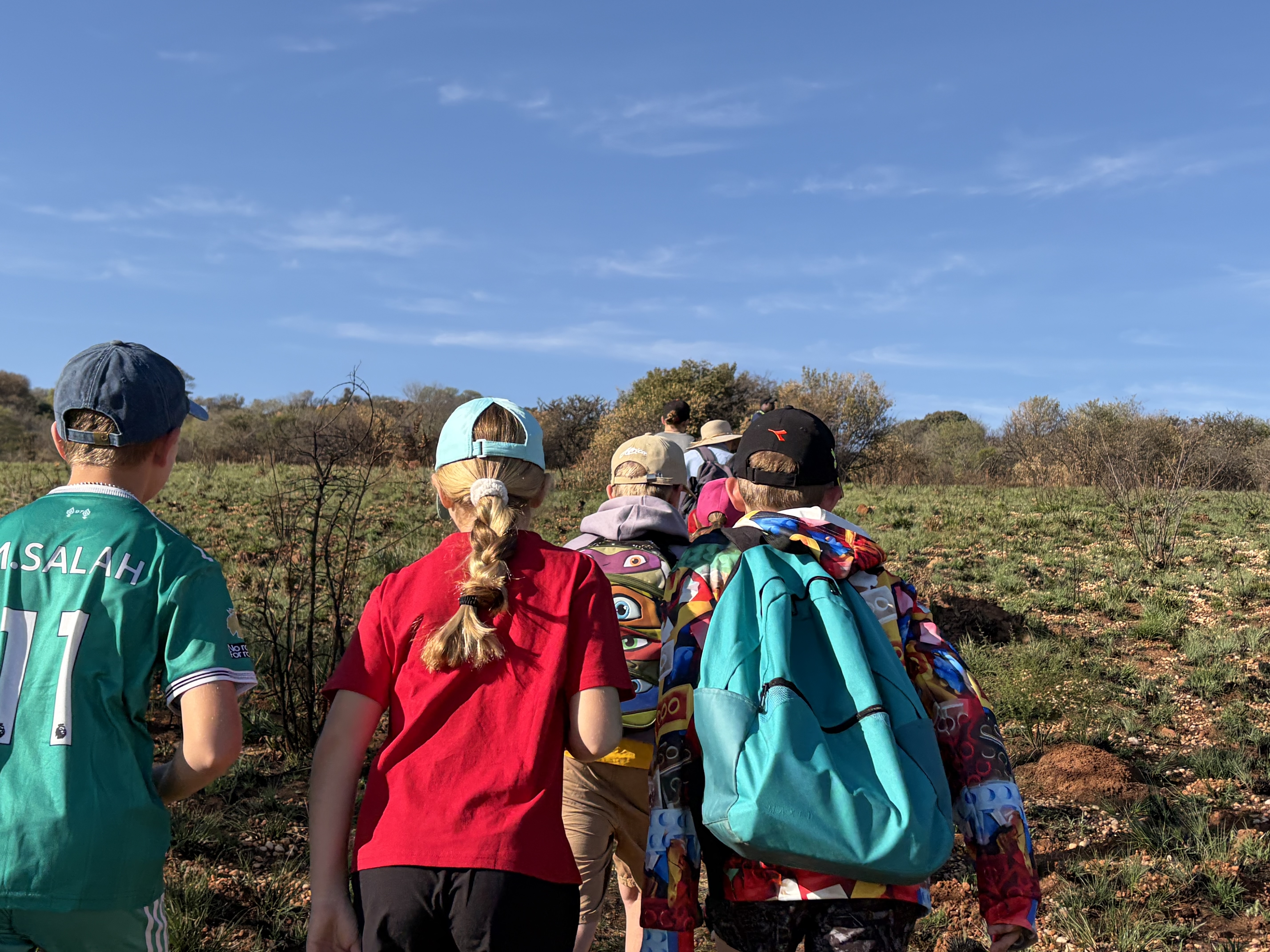
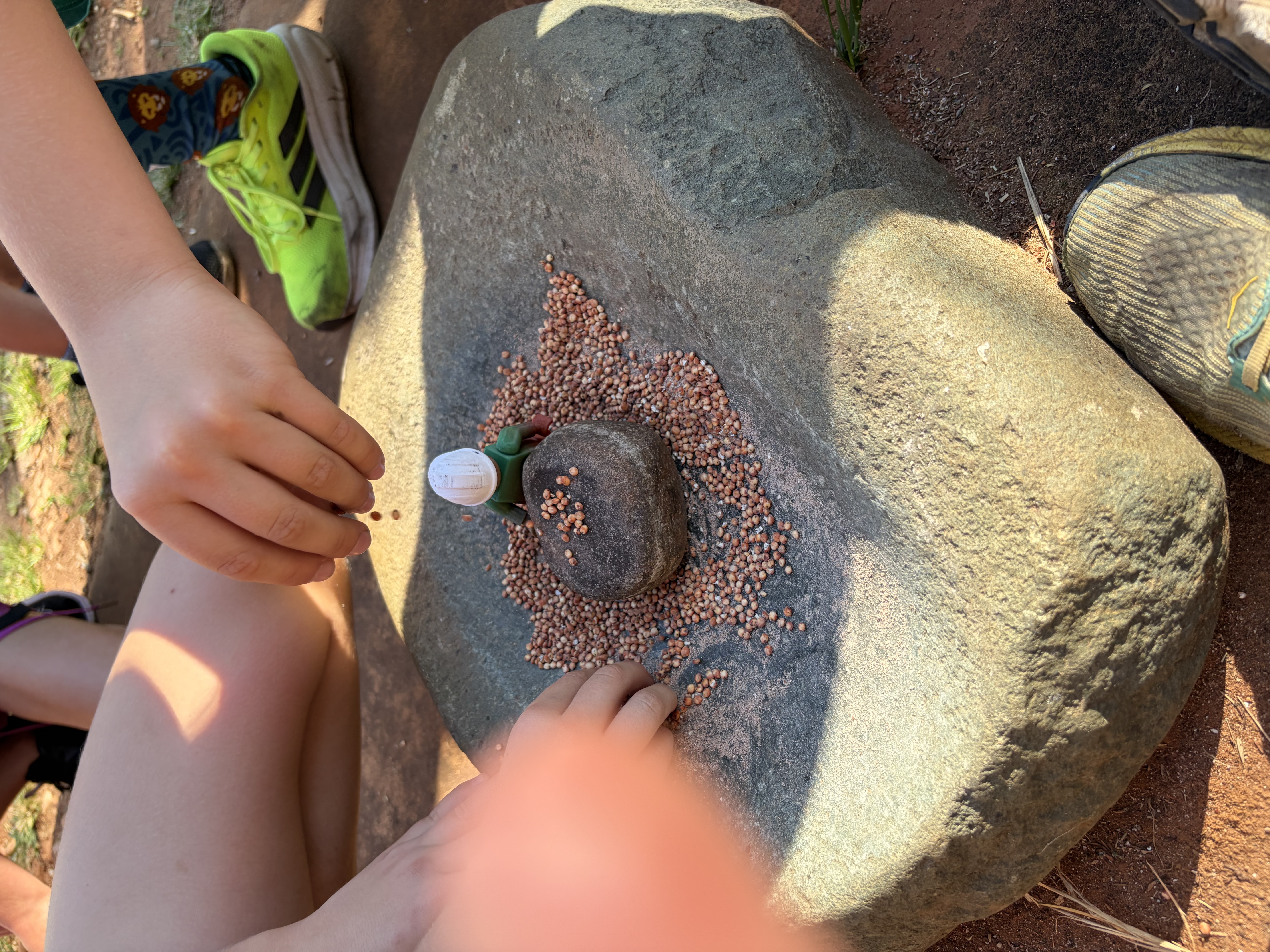
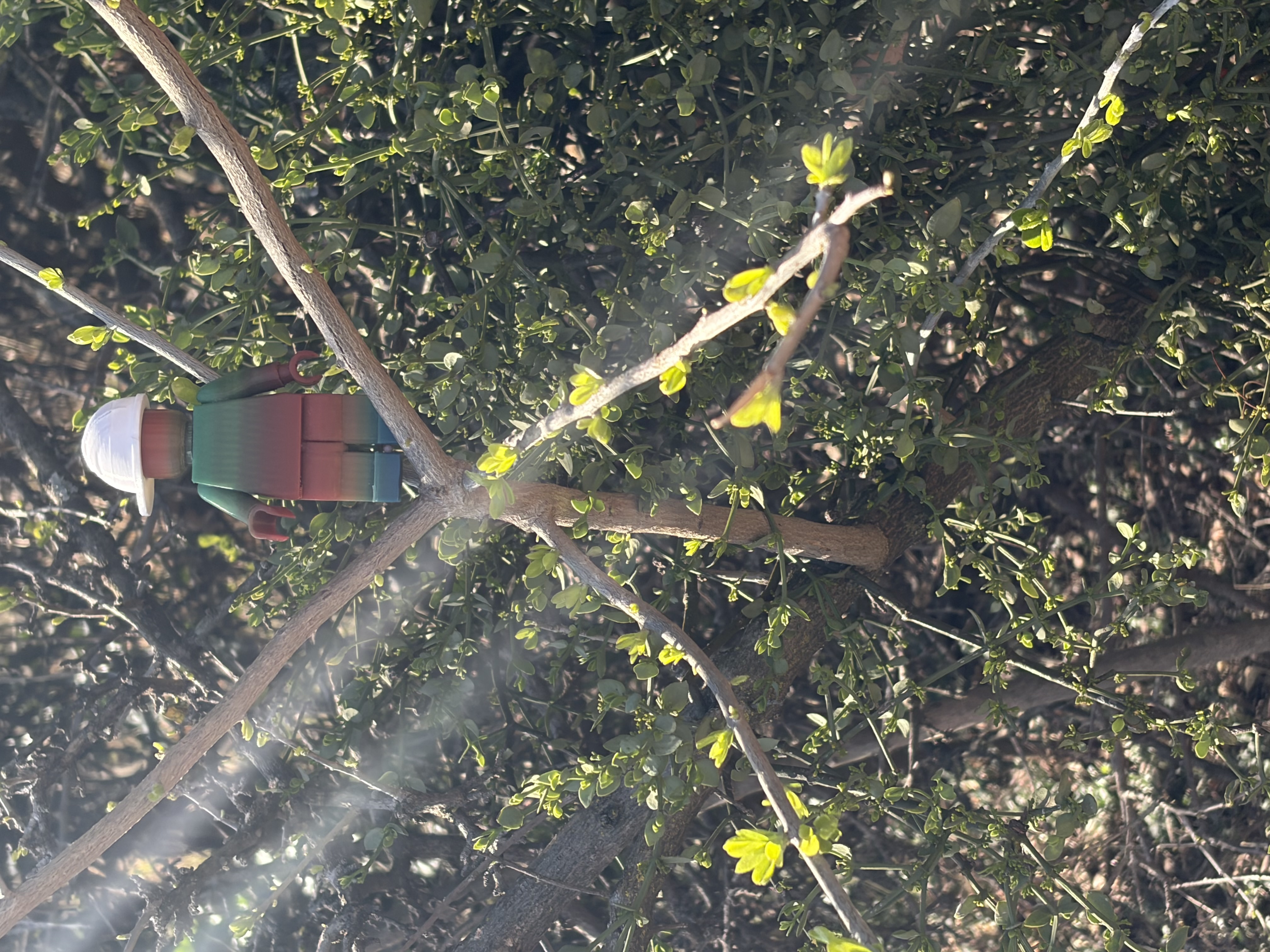
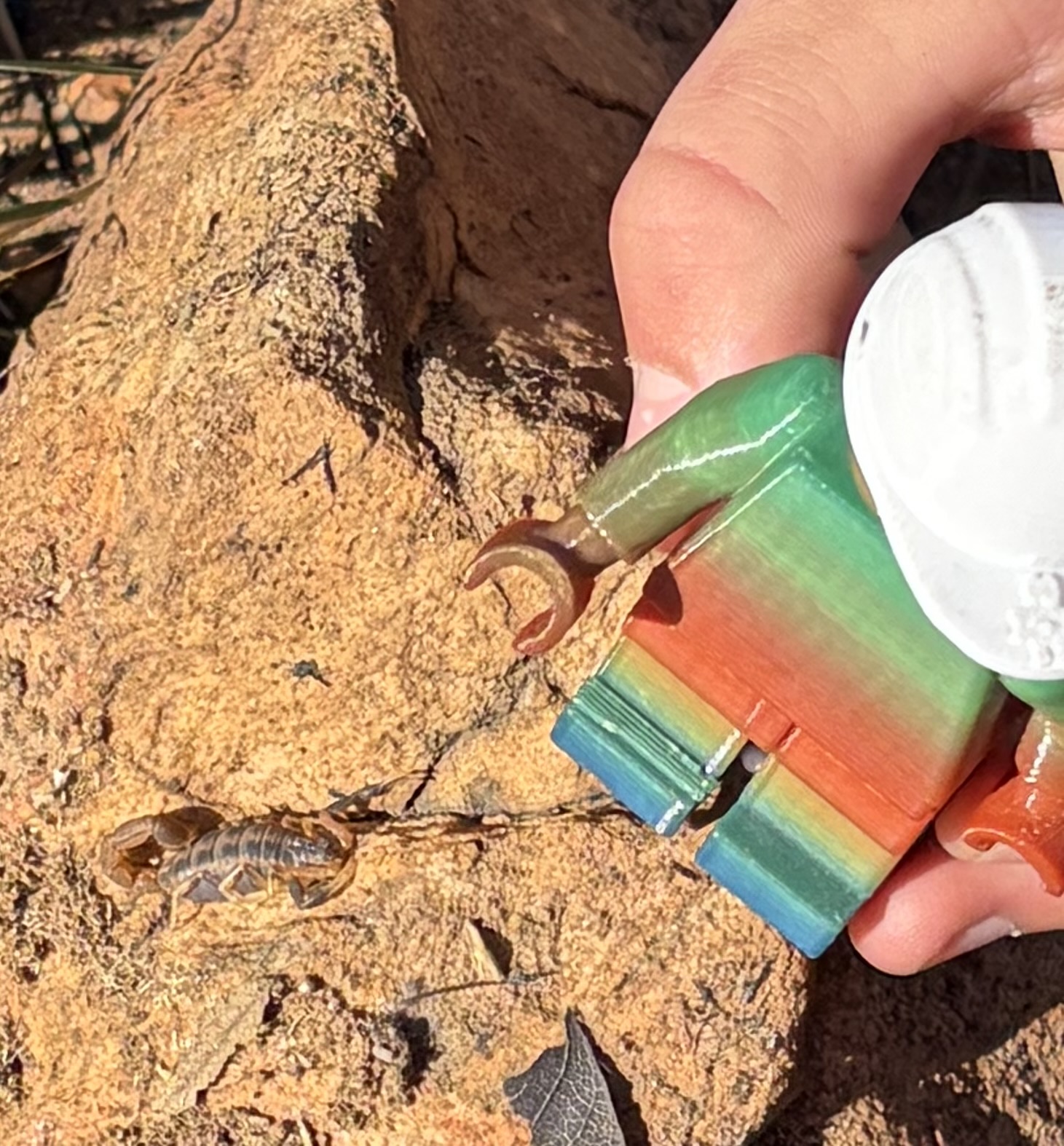
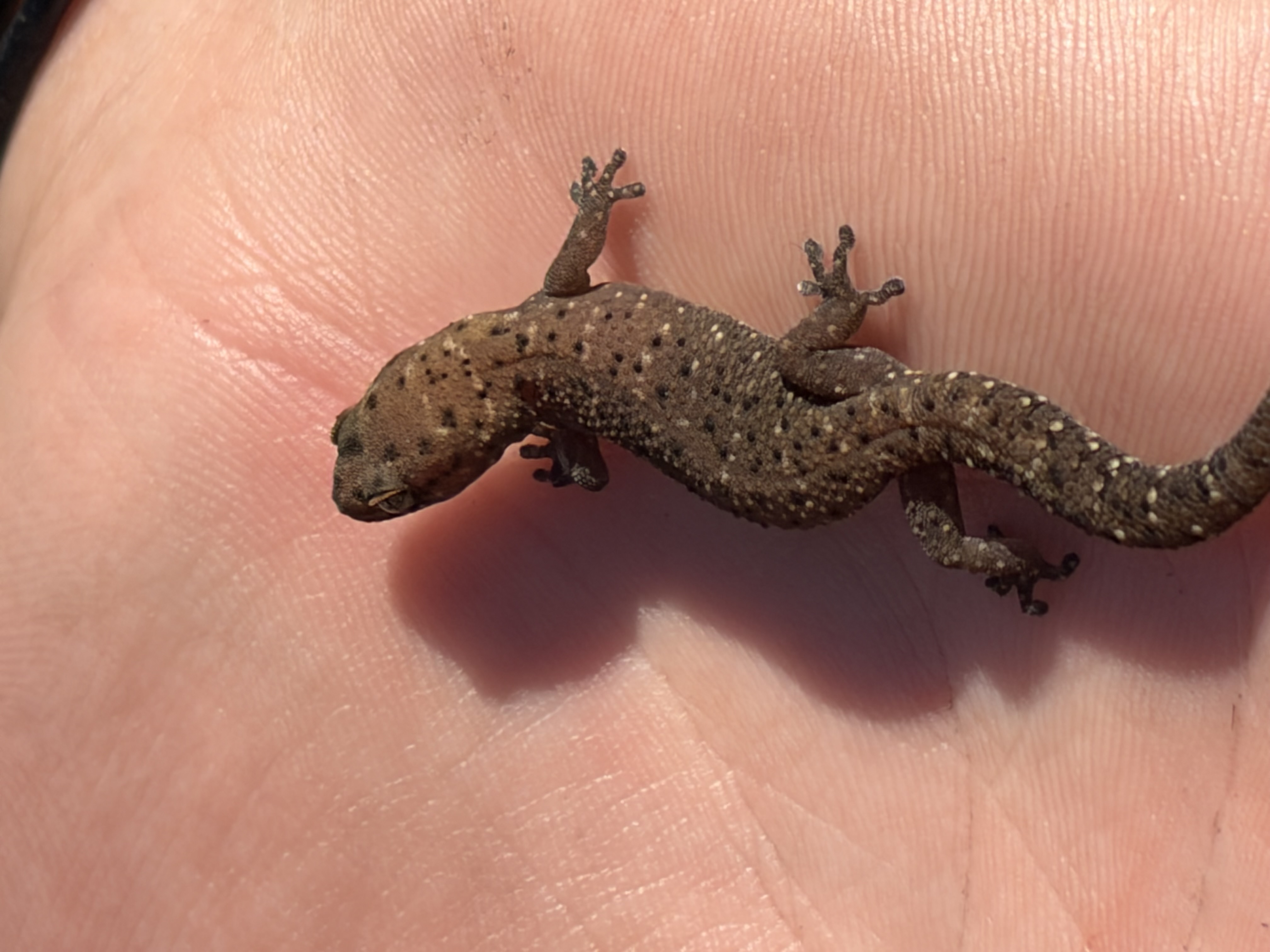
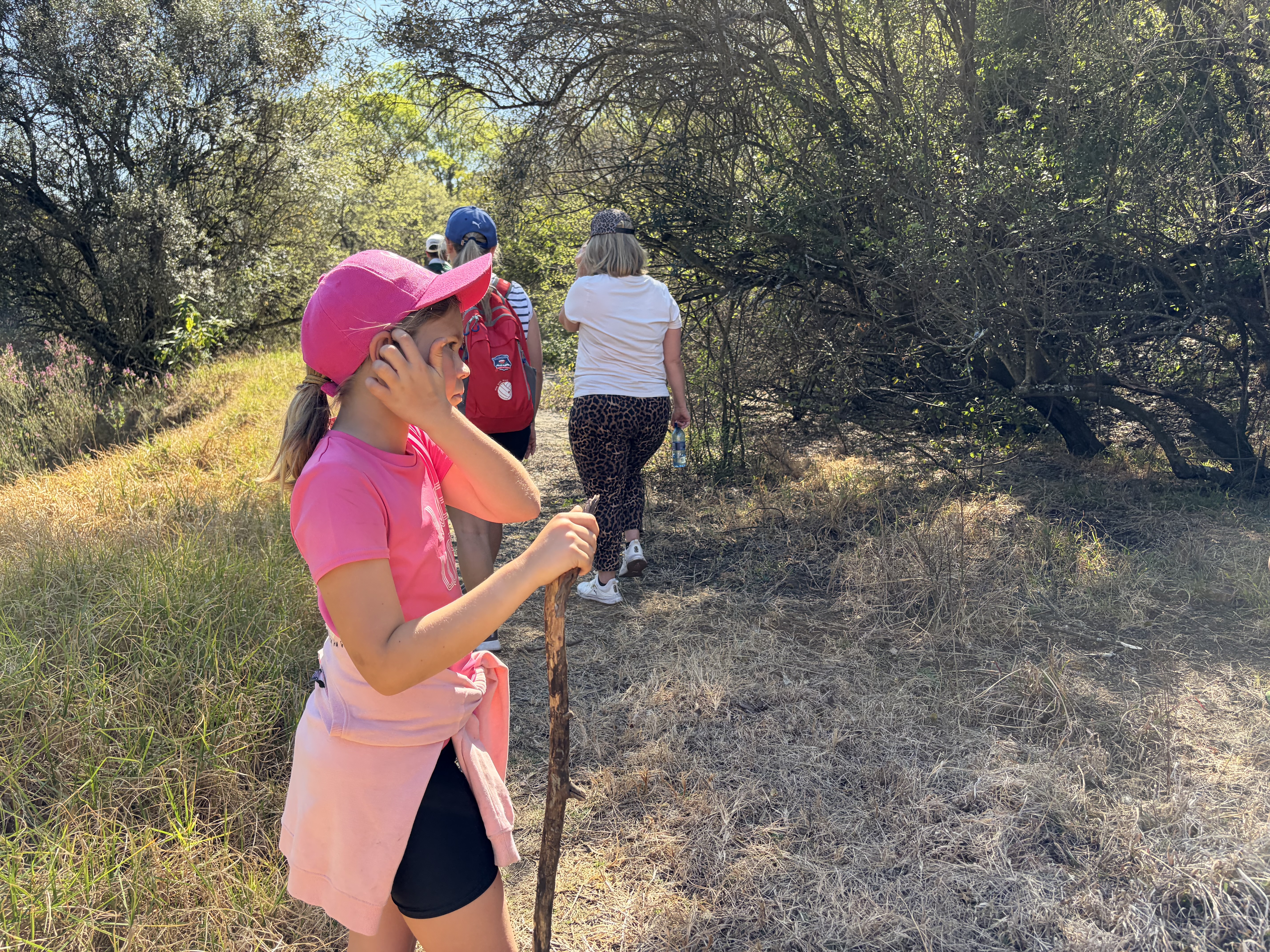
We decided to visit Melville Koppies Nature Reserve just near the Johannesburg city centre. It is a remarkable natural area that preserves indigenous vegetation, wildlife, and important traces of South Africa’s natural and cultural heritage within a busy urban environment.

Its habitats provide food, shelter, and breeding spaces for many organisms, while also helping people experience nature and learn why conservation matters. Urban natural spaces can become isolated by development, so protecting remaining habitats helps safeguard indigenous species and the ecological relationships on which they depend.

Many river courses in Gauteng have green belts. These green belts are wet and unsuitable for development but they provide useful corridors and a link to natural habitats for indigenous wildlife and plants. Invasive alien plants threaten this balance by spreading into natural areas, competing for resources, and changing the habitats local wildlife depends on.

How can BioGlow help protect green spaces from invasive alien plants?

By helping residents identify and manage invasive alien plants in their gardens, BioGlow aims to reduce their potential spread into surrounding natural areas. This community approach can:

  • Protect indigenous plants by reducing competition for space and resources.
  • Support local wildlife with indigenous plants that can provide appropriate food and shelter.
  • Improve habitat quality and help maintain the natural relationships that sustain ecosystems.
  • Build a conservation-minded community that makes informed gardening choices and takes part in protecting nature.
  • Create lasting impact by sharing practical knowledge people can use in their own gardens.

BioGlow cannot solve the problem alone, but education, responsible action, and community involvement can contribute to the long-term protection of nature reserves like Melville Koppies.

Our vision: let biodiversity shine

At RoboKids, innovation is about more than building robots. It is about using knowledge, creativity, and teamwork to solve real problems. Through BioGlow, we want to inspire our community to rethink what grows in our gardens, understand the impact of invasive alien plants, and take practical steps to protect the natural world.

Every plant identified, every invasive species responsibly managed, and every person educated is an opportunity to make a difference. Let’s help indigenous nature thrive and let the biodiversity of green spaces shine.

Know the alien plants

With the help of our experts we identified six invasive alien plants that threaten biodiversity in Gauteng: Moth Catcher, Bugweed, Lantana, Morning Glory, Syringa and Pompom Weed. These plants can spread rapidly, outcompete indigenous vegetation and damage the natural habitats that local wildlife depends on. By learning to identify these invaders and educating our community about safe removal methods, we can help protect our precious Highveld grasslands and preserve the unique biodiversity of Melville Koppies.

Small actions. Greener gardens. A brighter future.
Together, we can help nature glow.

Community Outreach

About us

Meet the RoboKids.

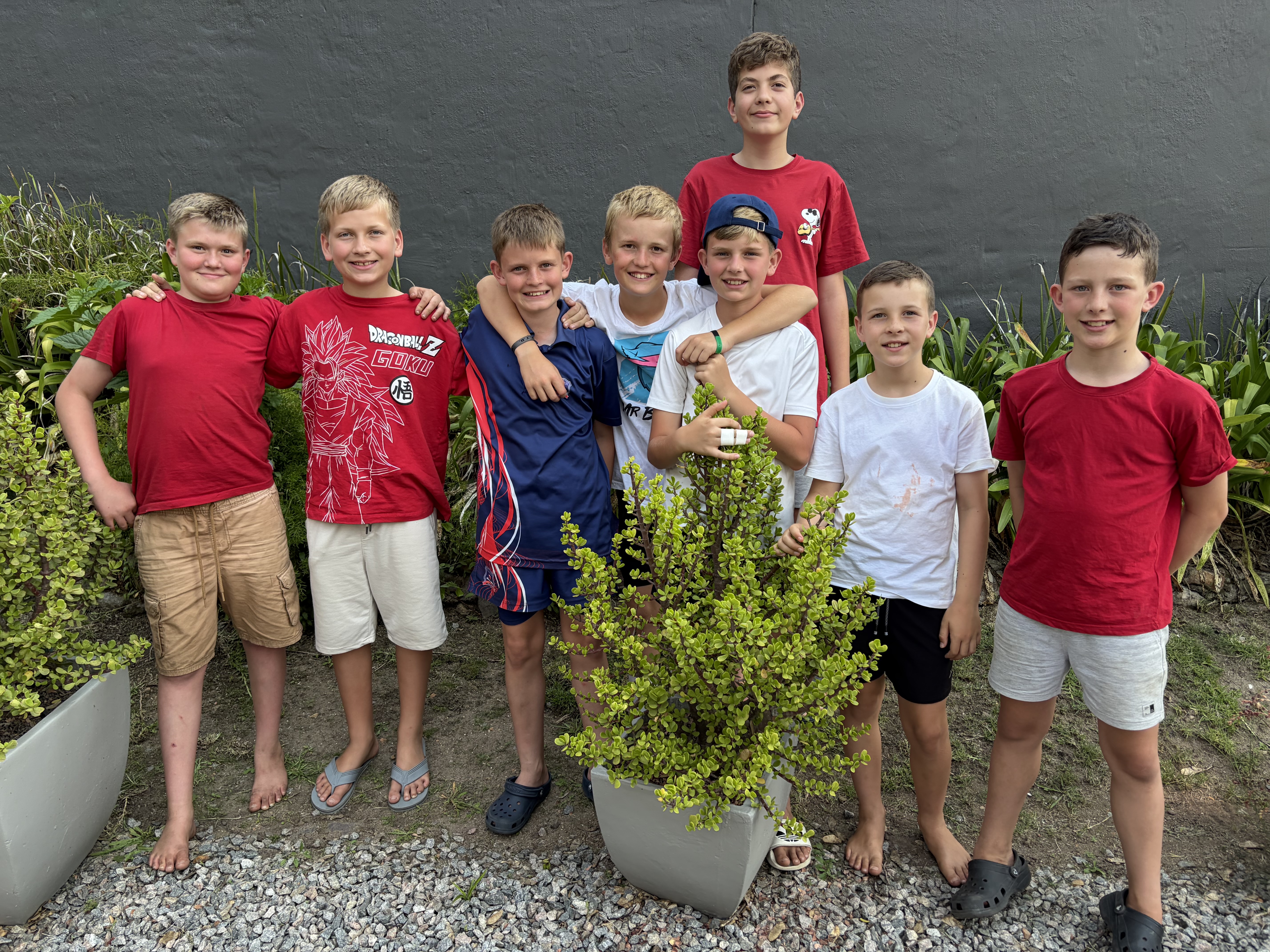
The RoboKids team together outdoors

Eight young innovators. One curious team.

RoboKids is a team of eight enthusiastic young innovators from BPMS, aged 11–12, who share a love for robotics, problem-solving, and a good challenge.

The team began its FIRST LEGO League journey in 2023. Since then, the boys have grown their skills in robot design and programming, engineering, research, innovation, and teamwork—learning that great solutions come from experimenting, adapting, and trying again.

FLL is about more than building robots. It helps the team think creatively, communicate ideas, work together under pressure, and turn real-world challenges into opportunities for innovation. Each member brings his own strengths and personality; together, they are curious, energetic, competitive, and always ready to learn.

Through BioGlow, RoboKids is applying that team spirit to a local challenge: helping the community recognise invasive alien plants and protect the biodiversity of Melville Koppies.

Learn. Build. Innovate. Have fun. Keep asking, “What if we tried this?”
Know the alien plants

Know the alien plants

With the help of our experts we identified six invasive alien plants that threaten the biodiversity of Melville Koppies: Moth Catcher, Bugweed, Lantana, Morning Glory, Syringa and Pom Pom Weed. These plants can spread rapidly, outcompete indigenous vegetation and damage the natural habitats that local wildlife depends on. By learning to identify these invaders and educating our community about safe removal methods, we can help protect our precious Highveld grasslands and preserve the unique biodiversity of Melville Koppies.

Morning Glory

Fast-growing invasive vine with heart-shaped leaves and trumpet flowers that open in the morning. It smothers native plants and can be toxic if handled carelessly.

Syringa

Invasive tree with lilac flowers, yellow berries, and a strong tendency to spread where native plants should grow.

Moth Catcher

Invasive woody vine with flowers that can trap pollinators and seed pods that release many wind-dispersed seeds.

Bugweed

Fast-growing invasive shrub with hairy leaves, purple flowers, and yellow berries that birds can spread as seeds.

Lantana

Woody invasive shrub with rough leaves, vivid flower clusters, and dark berries that contain seeds.

Pompom Weed

Category 1b invasive grassland herb with fluffy pink flowers and wind-spread seeds.

Replant for biodiversity

Nurseries to consider

Start with the local options, then consider specialist nurseries for a wider selection.

No Name Nursery in Melville

No Name Nursery — Melville

Local option

27Boxes, 3rd Avenue, Melville.

A local nursery listing, but its indigenous plant selection needs confirmation.

Phone: 082 815 4435

Native Earth Nursery in Blackheath

Native Earth Nursery — Blackheath

306 Northcliff Drive, Blackheath, Randburg.

Listed as a plant nursery; confirm that it stocks the indigenous species you need before visiting.

Olievenhout Farm Wildflower Nursery

Olievenhout Farm Wildflower Nursery

363 Valley Road, North Riding Agricultural Holdings, Randburg.

A specialist indigenous nursery with trees, shrubs, aloes and flowering plants.

Phone: 010 017 6981

Random Harvest Indigenous Nursery in Muldersdrift

Random Harvest Indigenous Nursery — Muldersdrift

College Road, Muldersdrift.

A dedicated indigenous nursery with a broad selection of South African plants, ideal for finding species suited to local conditions.

Phone: 082 553 0598

Experts

Meet the people who shared their conservation knowledge.

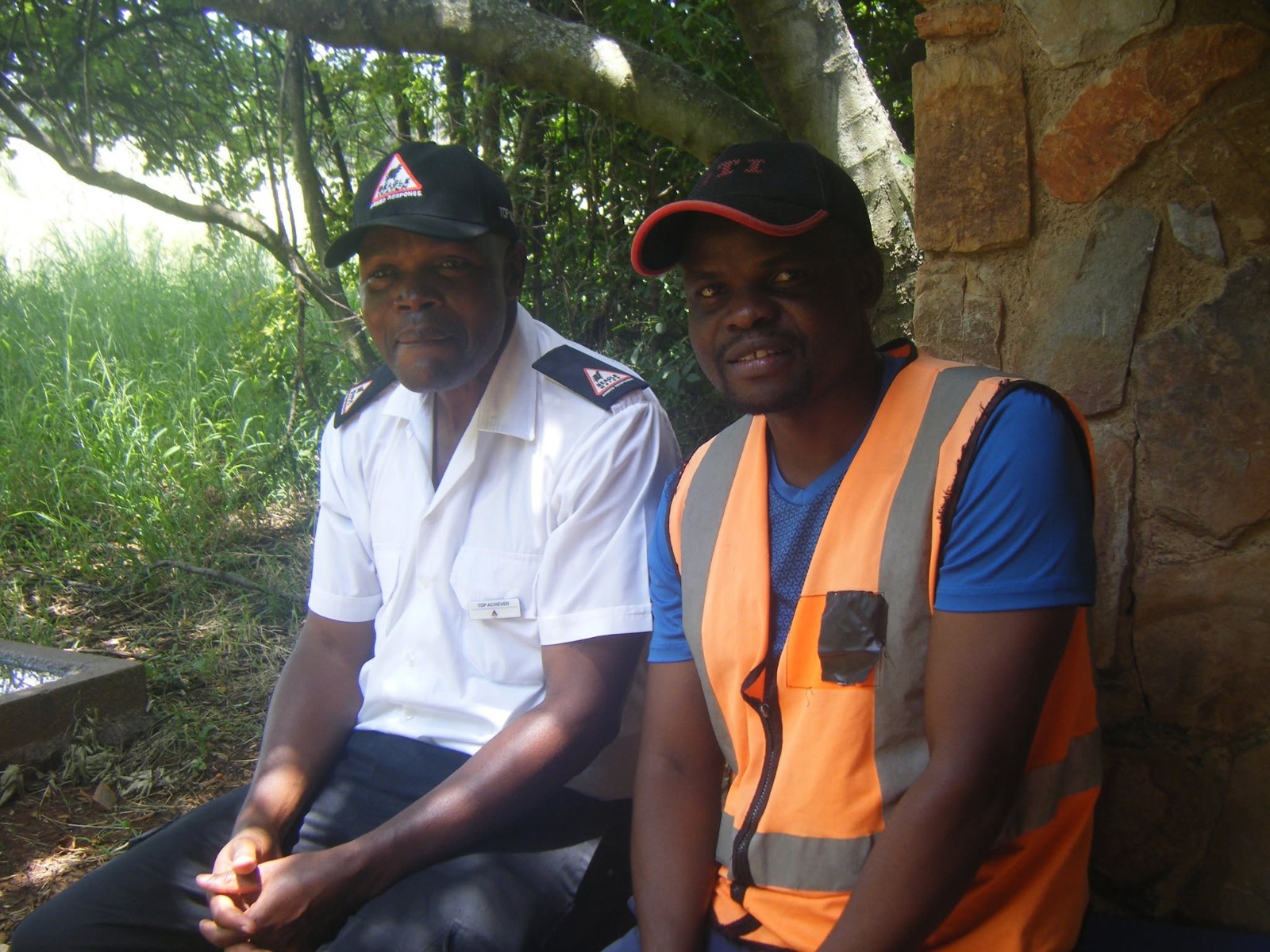
Clement Nkomazana with a colleague at Melville Koppies
Our first expert

Clement Nkomazana

Clement has been a member of the conservation team at Melville Koppies Nature Reserve and Heritage Site in Johannesburg since 2008.

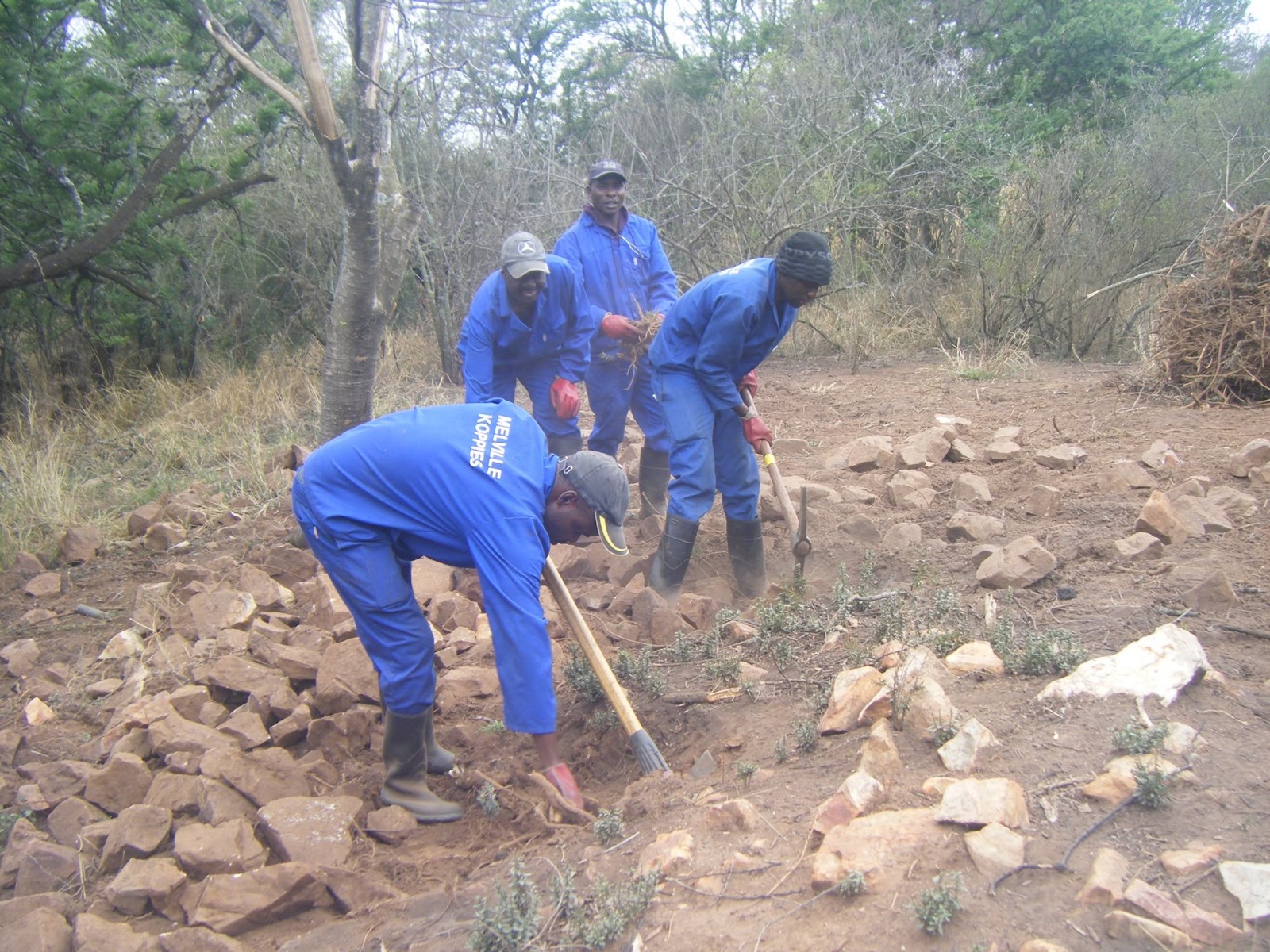
Through years of hands-on work, the conservation team has gained practical knowledge of the reserve, its indigenous vegetation, and the day-to-day care needed to protect a natural environment within the city.

Their work includes monitoring the reserve, managing invasive plants and weeds, maintaining the natural environment, and helping protect the Koppies’ biodiversity.

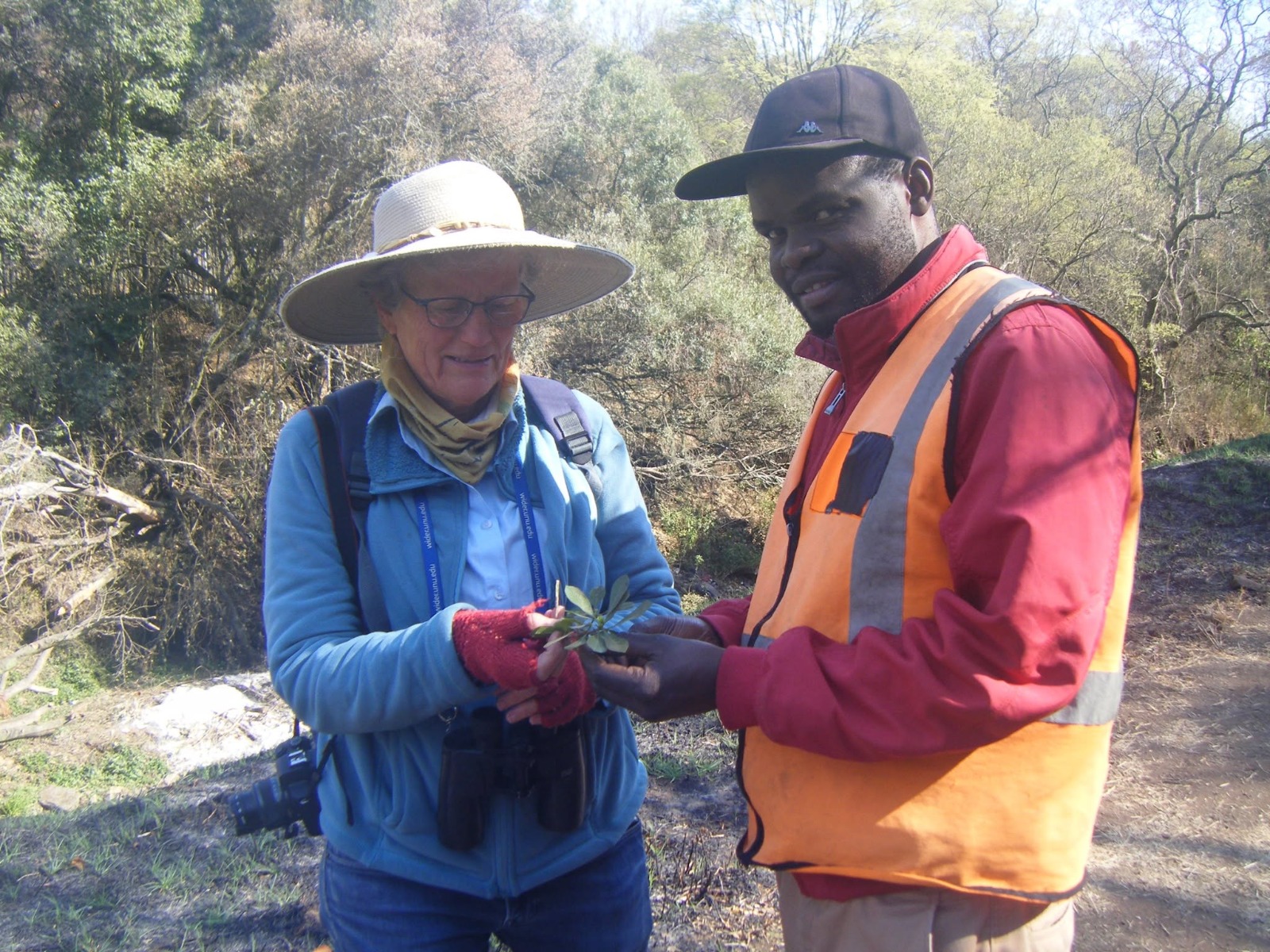
As part of RoboKids’ 2026 FIRST LEGO League BioGlow research, Clement helped the team understand that conservation takes ongoing observation, practical action, and care. We are grateful for his time and for sharing what conservation looks like in the real world.

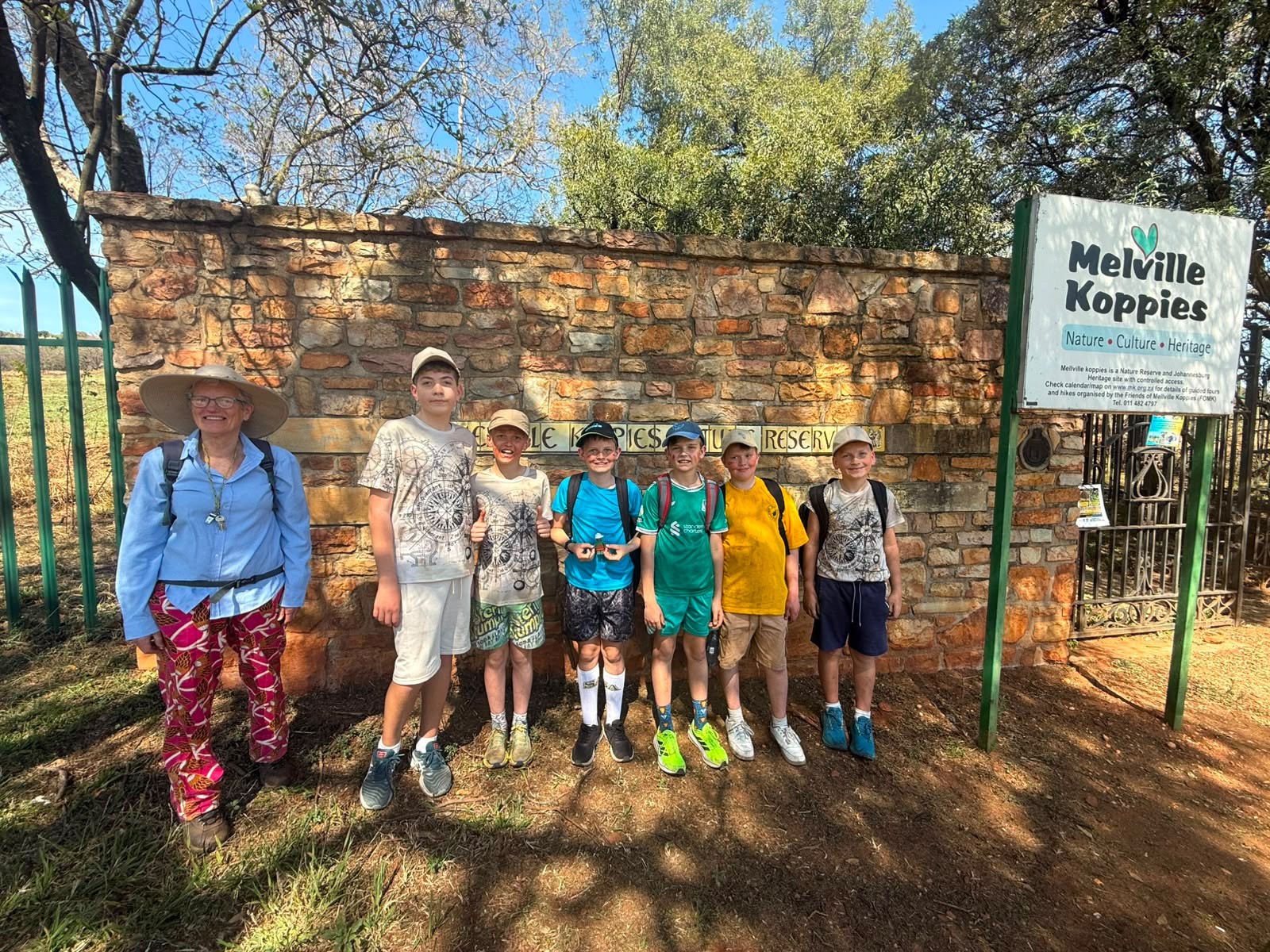
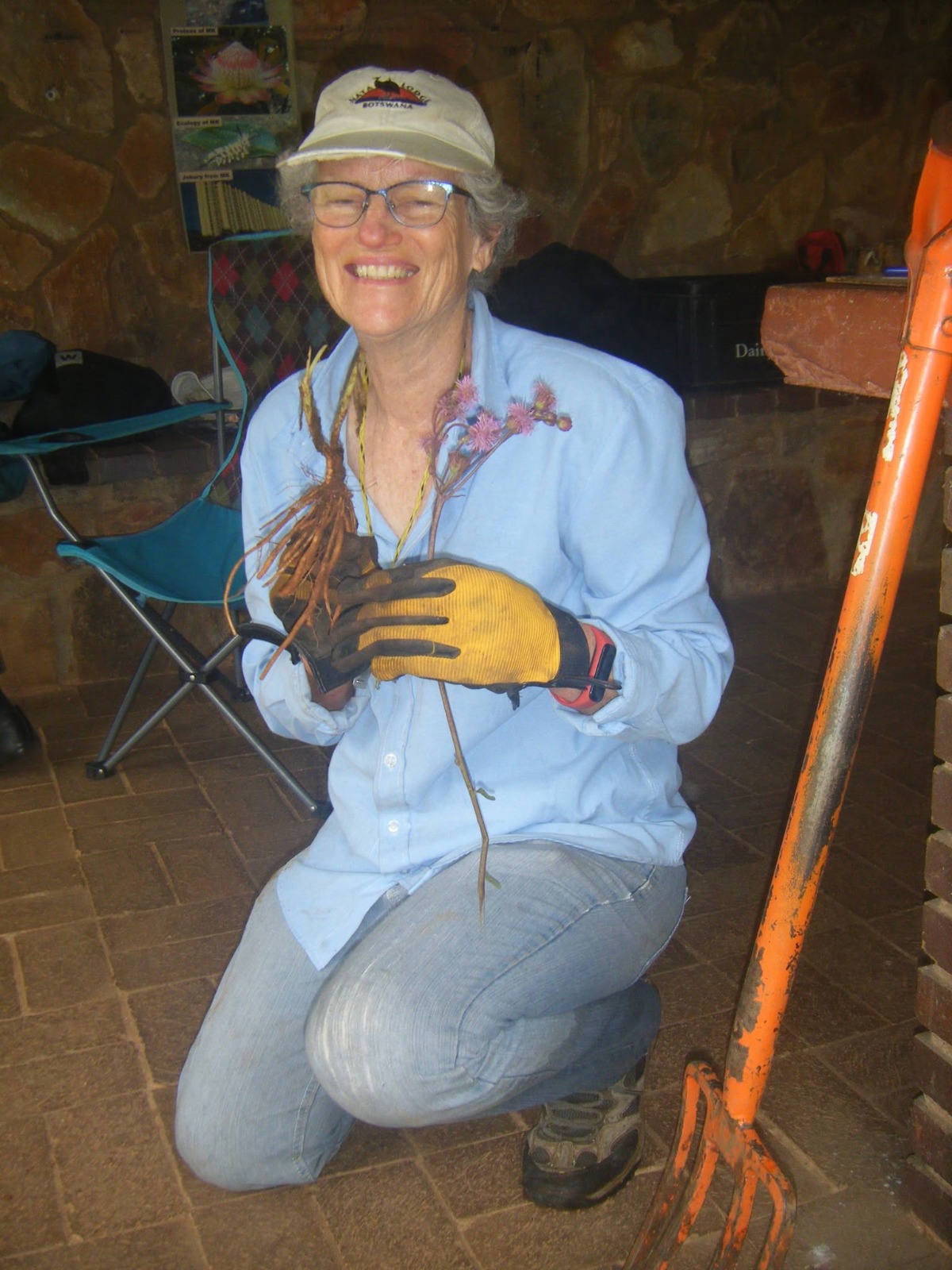
Jenny Grice with the RoboKids team at Melville Koppies Nature Reserve
Our second expert

Jenny Grice

Jenny is Chairperson of the Friends of Melville Koppies and a long-standing volunteer, guide, and environmental educator at Melville Koppies Nature Reserve and Heritage Site in Johannesburg.

As part of RoboKids’ 2026 FIRST LEGO League BioGlow journey, Jenny shared her practical conservation knowledge and helped the team understand local biodiversity challenges, including habitat loss, invasive alien plants, and the importance of protecting indigenous vegetation.

Her guidance connected the team’s research and innovation ideas with real conservation work in Johannesburg’s natural environments. We are grateful to Jenny for sharing her time and encouraging the RoboKids to keep asking questions and thinking like young conservationists.

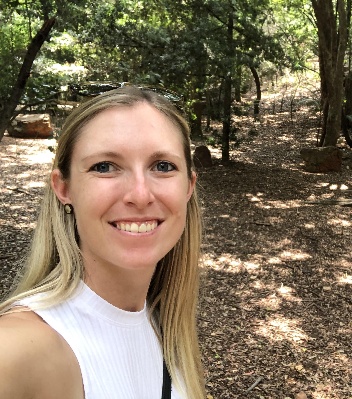
Ecologist Annerine Myburgh outdoors at Melville Koppies
Our third expert

Annerine Myburgh

Annerine is an ecologist with an academic background in ecology and plant science, particularly savanna ecology and population genomics. She holds a BSc in Ecology, a BSc Honours in Plant Science, and an MSc in Plant Science cum laude from the University of Pretoria. She is currently completing a PhD in Biology at Wake Forest University.

Her research explores the factors that shape savanna structure and diversity, including evolutionary processes that influence genetic diversity in savanna tree populations.

For RoboKids’ 2026 FIRST LEGO League BioGlow research, Annerine shared scientific insight into grassland and savanna ecosystems, biodiversity, and how plants relate to their environment. She encouraged the team to ask not only what is happening, but why—and what evidence is needed before proposing a solution.

We are grateful to Annerine for helping the RoboKids bring real ecological science into their innovation journey.

Contact

Reach out and start a brighter conversation.

Email us to talk about research, collaboration, storytelling, or a new speculative ecology project.

robokidsza@gmail.com

Small pixel penguin mascot